Table Of Content

And are there any types of birth control that prevent hair loss? The following article will explore the symptoms of female pattern baldness and if birth control can prevent — or accelerate — the condition. A person who is prone to hair loss may benefit from a pill that has lower androgenic activity. Another option is to switch to a nonhormonal type of birth control.

Periods, PMS & Birth Control : Surviving that Time of the Month
If not, the underlying causes should be figured out and treated accordingly. The following hormonal contraceptives have a significant potential of causing or exacerbating hair loss. Based on the evidence currently available to us, hormonal birth control can very well influence hair loss in certain groups of women. But birth control pills (specifically, COCs) are one of the worst offenders. As such, it’s no surprise that one study found that 50% of women using them also experienced temporary hair shedding in the first few months (that usually resolved within six months). The rest of this guide dives deeper into the science behind hormonal birth control, its connection to hair loss, and which options are (and aren’t) as concerning for hair.
How do hormones influence hair growth and loss?
She says that when you experience hair loss from birth control, your body sometimes just needs a chance to readjust the hormonal imbalance to regular levels. Birth control pills are a non-invasive and effective way to balance androgen levels in women who are prone to hair loss. In most cases, women who experience hair loss will also need to take medications that reduce androgen production, like spironolactone, for the treatment to be effective. If you think your birth control is causing hair loss, talk with your doctor about switching to a different method.
Planning To Take Birth Control Pills Experts List Its Pros And Cons - Onlymyhealth
Planning To Take Birth Control Pills Experts List Its Pros And Cons.
Posted: Thu, 26 Oct 2023 07:00:00 GMT [source]
Alopecia due to high androgen index contraceptives : JAAPA
The vaginal ring (Annovera, NuvaRing) is a flexible ring about 2 inches in diameter inserted into the vagina. Annovera combines segesterone acetate and ethinyl estradiol vaginal system that is released over 21 days, then the ring removed for a week and then reinserted. Nuvaring releases progestin and estrogen and is replaced after a week without a ring. Talk to your doctor if you feel that your current birth control isn’t right for you. Being open and honest about your side effects and how they make you feel is the first step to getting the right dosage and type you need.
When to Seek Professional Treatment
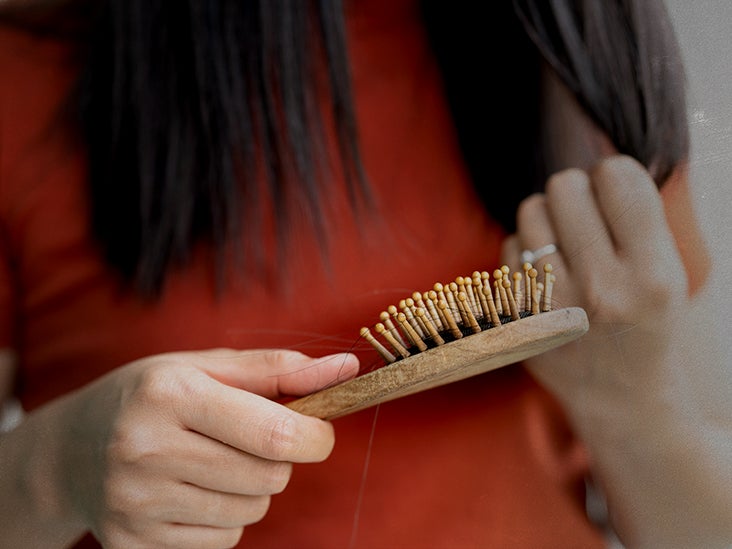
These pills also have lower levels of progestin and, therefore, lower levels of the synthetic hormone that causes hair loss. Some women may also experience hair loss after stopping birth control. This may be attributed to similar factors that affect the hair during contraception use. Estrogen can extend the hair growth phase and support hair growth.
Health Writer
If you’re interested in birth control, talk to your doctor about which type is most effective for you. Effectiveness is based on how consistent your birth control use is. Both types of birth control pills can cause side effects, which can vary among individuals. A combined birth control pill, which some people simply call “the pill,” is a combination of progestin and estrogen.
How we reviewed this article:
Minoxidil helps to move the hair follicles into the growth phase more quickly and may take several months to notice an improvement. Hormonal contraceptives can often be talked about collectively, but they can still vary hugely in terms of their side effects due to their differing active ingredients, and in this case, their androgenic effects. "Birth control doesn't mess you up that bad…" wrote Sessions (seemingly sarcastically) in the text displayed on her TikTok video, which has amassed 9.4 million views and more than 14,000 comments. The brief clip features photos of Sessions' hair, including an image of her holding a clump of strands and another which shows large bald spots on her scalp. Sessions said she initially noticed some shedding after stopping birth control, but it continued to get worse with time and she "almost went bald" within a four-month period, she recently told Buzzfeed. Here’s a rundown of how birth control works, why it can cause hair loss, and treatment options you may want to consider.
Can Taking Hormonal Birth Control Cause or Prevent Hair Loss?
If you're concerned about hair loss, consider discussing these low-androgen options with your healthcare provider. Yes, oral contraceptives can better hormonal imbalance-related hair loss in women. However, since there are various types of birth control pills available, choosing the right one for this specific purpose is crucial. "Hormonal birth control can lead to hair loss in some users called telogen effluvium and it's not in the male pattern that we typically think of when we say 'hair loss,'" Dr. Lincoln notes. "It's distributed differently and called female pattern hair loss, or FPHL. The most common type of hair loss after birth control is called telogen effluvium.
They contain androgenic progestin (a synthetic version of progesterone), which acts similarly to androgenic activity, thus triggering the hair growth cycle. While some forms of birth control can cause hair loss due to the androgenic effects mentioned previously, hair loss can also occur when birth control is stopped. This is believed to be due to the decrease in estrogen that occurs when you stop birth control. The withdrawal of estrogen leads to an increased number of hairs going into the telogen stage of the hair cycle. Put simply, "some progestins are more androgenic, and it seems that the more androgen effect it has, the more likely it would cause hair loss," says Dr. Yen. In certain cases, birth control pills can actually help women manage hair loss.
The short answer to this is yes, all forms of birth control pills can cause hair loss. But there is more to understand here if you wish to prevent and improve hair loss from birth control pills. This doesn’t mean that the hair follicles recover and the hair growth phase will start immediately. Due to the hair cycle periods, regrowing lost hair after discontinuing the birth control pill might take up to 6 to 8 months. Switching birth control pills or even the dosage can increase hair loss because each birth control pill can contain different levels of hormones.
Because hair growth is affected by hormones, you may experience hair loss if you're taking hormonal birth control. Hormonal birth control includes treatments that are implanted, injected, or taken orally. The FDA has approved finasteride (Propecia) to treat male pattern hair loss, and doctors may sometimes recommend the off-label use of spironolactone (Aldactone) to treat female pattern hair loss. The androgenic activity of birth control pills may cause various negative effects, including hair loss. People experiencing female pattern baldness may also notice a general thinning of hair on the top of your head, but hair loss typically won’t occur on the front of your scalp, per Harvard Health.
Each woman should decide based on her own needs in consultation with her own doctor. The American Hair Loss Association recognizes that for the most part oral contraceptives are a safe and effective form of birth control. The AHLA also recognizes that the "pill" has been clinically proven to have other health benefits for some women who use them. Adverse reactions to hormonal contraceptives are a common patient concern. Alopecia, an adverse reaction to androgen activity caused by the progestin component of hormonal contraceptives, can cause considerable psychosocial distress for women.


No comments:
Post a Comment