Table Of Content

Millions of women are prescribed the Pill each year in this country, but very few are aware that oral contraceptives are a common trigger of hair loss. In general, research shows that contraceptives containing the progestins norethindrone, norgestrel, or levonorgestrel have the strongest androgenic effects and have the biggest potential to trigger hair loss. However, studies investigating the commonality of this side effect are limited. According to the American Academy of Dermatology, it’s completely normal to shed anywhere between 50 to 100 strands of hair per day.
Tips to help slow and prevent hair loss
All these factors can influence your body’s reaction to birth control, which your doctor will consider when reviewing the best options for you. With just one $25 payment a year, you can get access to our expert doctors (available in these states) for 364 days. Hormonal birth control prevents pregnancy by reducing, or stopping, ovulation. As well, hormonal birth control can thicken the mucus around the cervix, which makes it harder for the sperm to reach the egg. Each type has similar benefits and risks, although everyone responds differently to the hormones.
Kyleena vs Mirena: Do These IUDs Cause Weight Gain?
Everlywell's at-home women’s fertility test is a discreet, seamless way to take control of your health and learn more about your body. Our CLIA-certified labs and experienced clinical team deliver information that you can trust. You can also schedule a women’s health virtual care visit with one of our licensed healthcare professionals. Any hair loss triggered by stopping birth control should end after your body has adjusted to its new hormone levels, which can take up to four months.
Post-Birth Control Hair Loss TikTok - BuzzFeed
Post-Birth Control Hair Loss TikTok.
Posted: Mon, 13 Jun 2022 07:00:00 GMT [source]
Hormonal Birth Control and Hair Loss
This is because birth control pills can sometimes exacerbate androgenic hair loss, especially if you have a genetic predisposition. Androgenic hair loss involves a gradual thinning of hair and can be more persistent. Certain birth control formulations can increase levels of androgens, which may lead to this type of hair loss.
For regulatory reasons, our tests are not available in NY with the exception of COVID-19. Oral contraceptive pills are available in both combination forms and progestin-only forms. The contraceptive injection and implant are both progestin-only. The skin patch and vaginal ring are both available as combination medications. Progestin implants, the birth control shot, the birth control patch, and the birth control ring should also be avoided for women who are concerned about hair loss.
Birth control for PCOS: will it help my hair loss or make it worse?
If these options are not successful, a person can contact a dermatologist. They can identify the underlying cause of hair loss and recommend suitable treatment options. Smoking can negatively affect many aspects of health, including hair health.
Progestin is a hormone that has androgenic activity, which means that it acts similarly to male hormones. If the hair loss doesn’t stop and you don’t see regrowth, ask your doctor about Minoxidil 2%. Tobacco products containing nicotine can negatively influence health and lead to hair loss. In particular, nicotine can result in hair loss due to damaging hair follicles. Understanding the underlying cause of your hair loss is absolutely necessary in determining the best approach to halt and reverse any further damage to your hair and scalp. Finding hair on your pillow or noticing a bald patch can be emotional, to say the least.
Types of Contraceptives
Perfect Hair Health showcases evidence-based approaches for hair regrowth, with and without drugs. Our goal isn’t to push you toward any specific treatment; it’s to provide you with unbiased information. This is what allows our members to stop wasting years of time, money, and hair – and start building a path toward hair recovery that fits with their needs and preferences.
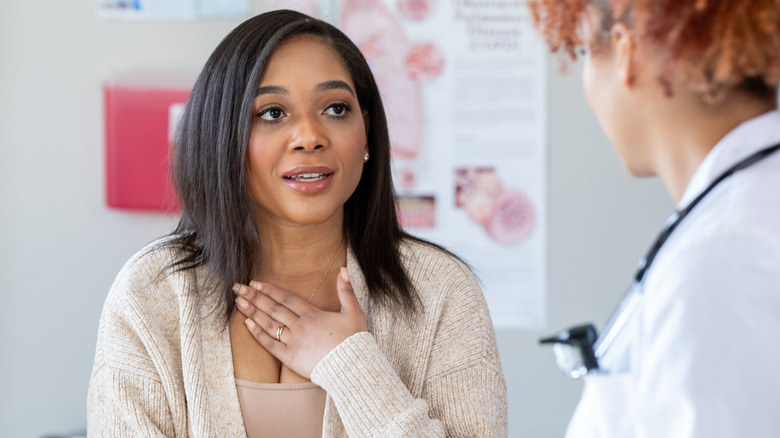
However, it's important (and reassuring) to keep in mind that hair loss, especially extreme or sudden hair loss, caused by stopping birth control is rare, and if it does happen, it's typically temporary. "Most of the time, this is not a cause for concern and should go away the longer you've been off the method of birth control you were using," says Dr. Shepherd. "Some people may actually experience the opposite and find their hair has grown more," she adds. Some may experience higher levels of hair loss and thinning while on hormonal birth control; meanwhile, others may lose more hair after stopping birth control. Other popular forms of birth control, like progestin implants, injections, hormonal IUDs (intrauterine devices), and vaginal rings, may also contribute to hair loss.
Spironolactone is a drug that decreases testosterone levels that contribute to hair loss. "Oral medications may be recommended depending on your medical history and the severity of your condition," says Dr. Green. Normally, there is hair in each of these stages at any one time. But you typically won't notice a ton of hair falling out at once because most of the surrounding hair is in the growth or transitional stages. However, hormone changes from birth control can disrupt this cycle, leading to more hair falling out at once. There are many varieties of hormonal contraceptives, and they're not all perfect for everybody.
But yes, in some cases, birth control can contribute to hair loss. If you’re experiencing hair loss as one of the dermatologic side effects of birth control, the most effective way to stop it is by discontinuing the pill. After hormone levels are back to normal, the hair loss should stop.
A doctor will be able to recommend the best method of treatment or refer you to a specialist. Fortunately, the pill can be prescribed to help with female pattern baldness. On the other hand, others may experience breakouts of acne or notice no change at all. Every woman’s body and hormone levels are different, which is why it’s difficult to predict which side effects will occur as a result of birth control. Ovaries naturally produce the female hormones estrogen and progestin. Either of these hormones can be synthetically made and used in contraceptives.
This is because the harmful chemicals in cigarettes can affect hair follicles. CCCA and LPP fall under the umbrella of lymphocytic scarring alopecia. The telltale signs of these conditions are chronic inflammation of the scalp and the scarring of hair follicles, which can result in irreversible hair loss, Agbai notes. If the hair loss doesn’t stop after a few months then a medication call minoxidil 2% or Regaine can be used.


No comments:
Post a Comment